Branding vs Marketing: How to Develop a Successful Brand Strategy

In today’s competitive business world, having a great product or service is not enough to achieve long-term success. Businesses need a strong identity, customer trust, and effective promotional strategies to stand out from competitors. This is where branding and marketing play an important role.
Many business owners believe that branding and marketing are the same. However, both have different purposes and work together to help a business grow. Branding creates the identity and personality of a business, while marketing helps communicate that identity to potential customers and encourages them to purchase products or services.
Whether you are running a startup, small business, digital marketing agency, or established company, understanding the difference between branding and marketing is essential.
In this guide, we will explain what branding and marketing mean, their key differences, why they are important, and how to develop a successful brand strategy for your business.
1. What Is Branding?

Branding is the process of creating a unique identity and image for a business, product, or service. It involves defining how customers recognize, understand, and emotionally connect with a company.
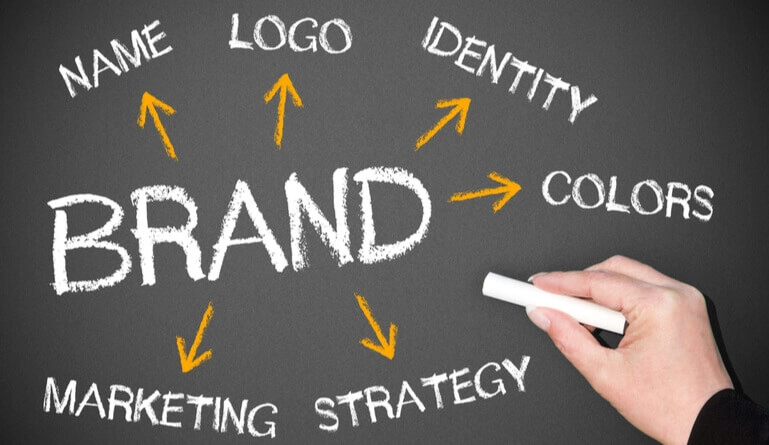
Branding is not limited to designing a logo or selecting attractive colors. It includes everything that shapes the customer’s perception of your business.
The major elements of branding include:
- Brand Name: The name that represents your business.
- Logo Design: A visual symbol that helps customers recognize your company.
- Brand Colors: Colors that communicate your brand’s personality and values.
- Brand Voice: The communication style used to interact with customers.
- Brand Mission: The purpose and goals behind your business.
- Brand Values: The principles that guide your company’s decisions.
- Customer Experience: The overall experience customers receive when interacting with your business.
For example, brands like Apple, Nike, and Coca-Cola have developed recognizable identities through consistent branding, product experiences, and communication.
A strong brand helps customers understand what makes a business different and why they should consider choosing it.
2. What Is Marketing?
Marketing is the process of promoting products or services, reaching potential customers, generating leads, and increasing sales.
It includes different strategies and activities that help businesses communicate their offerings to the target audience.
Some important marketing methods include:
Digital Marketing: Promoting businesses through online platforms and digital channels.
Social Media Marketing: Using platforms such as Instagram, Facebook, LinkedIn, and YouTube to reach customers.
Search Engine Optimization (SEO): Improving website visibility in search engine results to attract organic traffic.
Google Ads: Running paid advertising campaigns to reach people searching for specific products or services.
Content Marketing: Creating valuable blogs, videos, guides, and other content to attract and educate potential customers.
Email Marketing: Communicating with customers through promotional emails, newsletters, and business updates.
Traditional Marketing: Promoting products and services through newspapers, television, radio, banners, and other offline channels.
The main purpose of marketing is to connect a business with its target audience and encourage customers to take action.
3. Branding vs Marketing: What Is the Difference?

Although branding and marketing work together, their objectives are different.
Branding focuses on creating a recognizable business identity, while marketing focuses on communicating the business’s value to potential customers.
Here are the major differences:
| Branding | Marketing |
|---|---|
| Builds business identity | Promotes products and services |
| Creates customer perception | Attracts potential customers |
| Focuses on long-term recognition | Focuses on customer acquisition and growth |
| Builds emotional connections | Encourages customer action |
| Defines brand personality | Communicates product benefits |
| Creates customer loyalty | Generates leads and sales |
| Remains relatively consistent | Changes according to campaigns and goals |
Example: Understanding Branding vs Marketing
Imagine you own a digital marketing agency.
Your company has a professional logo, attractive brand colors, a modern website, a unique tagline, and a consistent communication style. These elements represent your branding.
Now, you run Facebook Ads, Google Ads, SEO campaigns, and social media promotions to attract new clients. These activities represent your marketing.
In simple words, branding explains who you are as a business, while marketing communicates what you offer and why customers should choose you.
4. Why Are Branding and Marketing Important for Business Growth?
Branding and marketing are both essential for building a successful business. When used together, they help companies develop stronger customer relationships and achieve sustainable growth.
A. Builds Customer Trust
Customers are more likely to consider businesses that present a professional and consistent image.
Strong branding creates recognition, while effective marketing communicates the company’s products, services, and value.
B. Creates Brand Awareness
Brand awareness refers to how familiar customers are with your business.
Consistent branding combined with social media marketing, SEO, advertising, and content creation helps more people discover and recognize your company.
C. Helps You Stand Out from Competitors
Most industries have several businesses offering similar products or services. A unique brand identity helps customers understand what makes your company different.
Marketing then communicates those differences to the right audience.
D. Increases Customer Loyalty
Customers who have positive experiences with a brand are more likely to return.
Consistent service quality, transparent communication, and relevant marketing campaigns help businesses maintain long-term customer relationships.
E. Supports Business Revenue Growth
Marketing attracts potential customers, while strong branding can improve recognition and trust.
Together, they can support lead generation, customer retention, and business revenue growth.
5. How to Develop a Successful Brand Strategy?
website- www.theindiafacts.com

A successful brand strategy requires proper planning, research, consistency, and a clear understanding of your target audience.
Here are seven important steps to develop an effective brand strategy.
Step 1: Define Your Brand Purpose and Mission
Start by understanding why your business exists and what problem it solves.
Ask yourself:
- What products or services does your business provide?
- What problem are you solving for customers?
- What makes your business different?
- What do you want customers to remember about your company?
Your brand purpose and mission will guide your overall branding decisions.
Step 2: Identify Your Target Audience
Understanding your target audience is one of the most important parts of developing a brand strategy.
Research your potential customers based on:
- Age and location
- Interests and preferences
- Income and purchasing behavior
- Customer problems and requirements
- Online activities and platforms
For example, a luxury fashion brand may target customers interested in premium products, while an affordable clothing brand may focus on price-conscious consumers.
Your branding and marketing messages should match the expectations of your intended audience.
Step 3: Create a Unique Brand Identity
Your brand identity includes all the visual and communication elements that represent your business.
Focus on developing:
- A memorable business name
- A professional logo
- A consistent color palette
- Suitable typography
- A unique tagline
- A clear brand voice
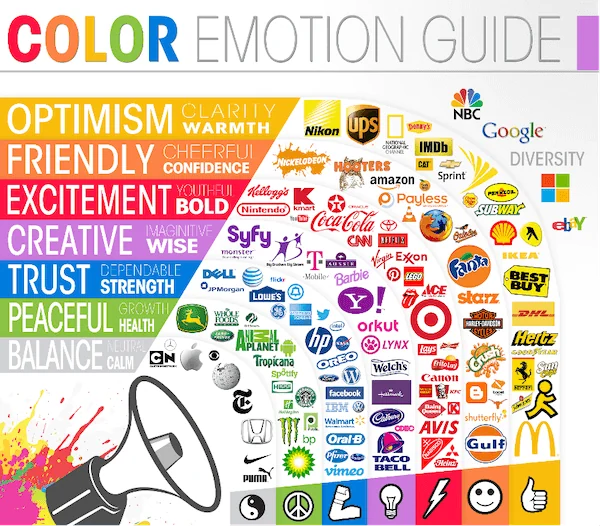
Color psychology can also help communicate your brand personality. For example, blue is commonly associated with trust and professionalism, while green is often associated with nature and growth.
Choose colors and design elements that reflect your business values and audience expectations.
Step 4: Develop Your Brand Positioning
Brand positioning refers to how you want customers to perceive your business compared to competitors.
To develop effective positioning, identify your unique selling proposition (USP).
Your USP should explain what makes your product or service valuable and different.
For example, a digital marketing agency may position itself around transparent reporting, customized marketing strategies, or specialized local business marketing services.
A clear positioning statement makes it easier for customers to understand why they should consider your business.
Step 5: Build a Strong Online Presence
In the digital age, customers often research businesses online before making purchasing decisions.
Therefore, your business should maintain a professional and consistent online presence.
Important platforms include:
- Business Website: Display your services, company information, portfolio, and contact details.
- Google Business Profile: Help local customers discover your business through Google Search and Maps.
- Instagram and Facebook: Share business updates, creative content, and customer experiences.
- LinkedIn: Build professional connections and establish business credibility.
- YouTube: Publish educational videos, product demonstrations, and informative content.
Make sure your brand identity remains consistent across all platforms.
Step 6: Create a Marketing Strategy
Once your brand identity and positioning are established, develop a marketing strategy to reach your target audience.
Choose marketing channels according to your business goals and customer behavior.
For example:
- Use SEO to attract organic website traffic.
- Use Google Ads to reach customers with specific search intent.
- Use social media marketing to build engagement and awareness.
- Use content marketing to educate potential customers.
- Use email marketing to maintain customer relationships.
Avoid using every marketing channel without a clear purpose. Select the platforms that provide the greatest value to your business.
Step 7: Monitor and Improve Your Brand Strategy
Brand strategy is not a one-time activity. Businesses should regularly review their branding and marketing performance.
Some useful performance indicators include:
- Brand awareness and recognition
- Website traffic
- Social media engagement
- Customer feedback
- Lead generation
- Conversion rates
- Customer retention
- Repeat purchases
Analyze these metrics to understand what is working and where improvements are needed.
6. Common Branding and Marketing Mistakes to Avoid
Many businesses struggle because they do not maintain a clear connection between their branding and marketing activities.
Here are some common mistakes to avoid:
1. Focusing Only on Logo Design: A logo is only one part of branding. Customer experience, communication, and brand values are equally important.
2. Inconsistent Brand Identity: Frequently changing colors, fonts, logos, and messaging can make it difficult for customers to recognize your business.
3. Ignoring Target Audience: Marketing without understanding customer needs can result in poor campaign performance.
4. Overpromising Products or Services: Always communicate realistic benefits and deliver what you promise.
5. Ignoring Customer Feedback: Customer reviews and feedback can provide valuable insights into your brand reputation and service quality.
6. Running Ads Without a Strategy: Paid advertising should have clear objectives, audience targeting, budgets, and performance tracking.
7. Future of Branding and Marketing in 2027
Technology and changing customer expectations are continuously transforming the business world.
In 2027, businesses should pay attention to the following developments:
- AI-Powered Marketing: Artificial intelligence can support content creation, customer research, data analysis, and campaign optimization.
- Personalized Customer Experiences: Businesses can use customer insights to deliver more relevant communication.
- Video Content Marketing: Short-form videos, educational content, and product demonstrations can help brands connect with audiences.
- Authentic Branding: Transparency, consistency, and genuine customer experiences remain important for building trust.
- Omnichannel Marketing: Businesses can create consistent customer experiences across websites, social media, email, and offline channels.
Companies that adapt to changing technology while maintaining a clear brand identity can create stronger relationships with their customers.
Branding and marketing are two essential parts of a successful business strategy. Although they serve different purposes, both work together to help companies build recognition, attract customers, and achieve long-term growth.
Branding creates your business identity, communicates your values, and shapes customer perception. Marketing promotes your products and services, reaches potential customers, and generates business opportunities.
To develop a successful brand strategy, start by understanding your target audience, defining your brand purpose, creating a unique identity, establishing clear positioning, and building a strong online presence.
Remember, successful businesses do not focus only on selling products or services. They also focus on creating a brand that customers recognize, trust, and remember.
Build a strong brand, communicate its value effectively, and create meaningful customer experiences for sustainable business growth.